
With the rapid development of the electric power industry, in the field of electric power consumption, on the one hand, with the widespread application and development of power electronics technology, a large number of nonlinear loads have been added to the power supply system, such as static converters, industrial AC-DC conversion devices, etc., which can cause distortion of the grid current and voltage waveforms, resulting in harmonic "pollution" of the grid, as well as impactful and fluctuating loads.
Equipment such as electric arc furnaces, large-scale steel rolling mills, and electric locomotives not only generate a large amount of high-order harmonics during operation, but also exacerbate voltage fluctuations, flicker, and three-phase imbalance. These adverse effects on the power grid not only reduce the safety of power supply and consumption equipment themselves, but also severely interfere with the economic operation of the grid, causing "public hazards" to the grid. On the other hand, places such as airports, banks, precision electronic component manufacturing, computer networks, and service monitoring centers have high requirements for power quality. The demand for high-quality electric energy is increasing due to the use of high-precision technology and equipment. Therefore, the National Technical Supervision Bureau has successively issued national standards covering six aspects of power quality.
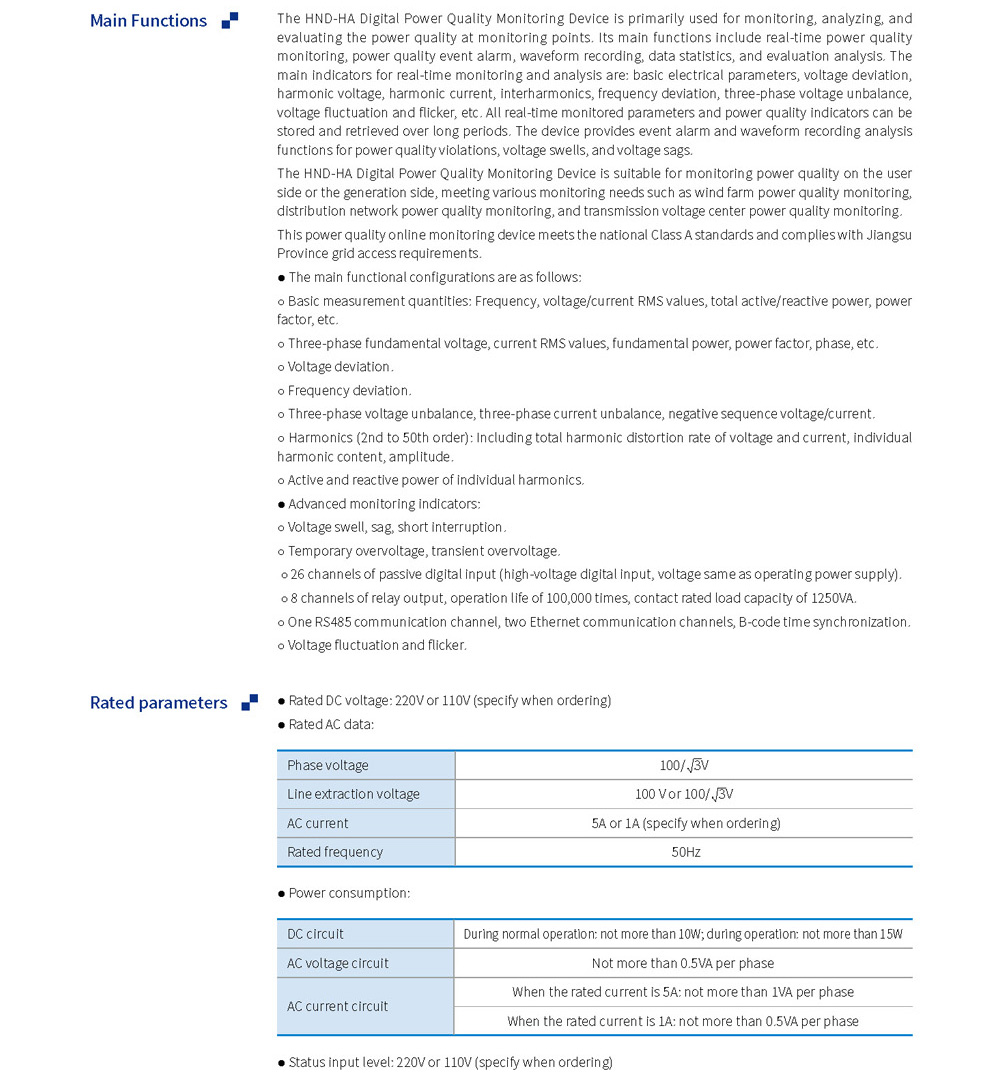
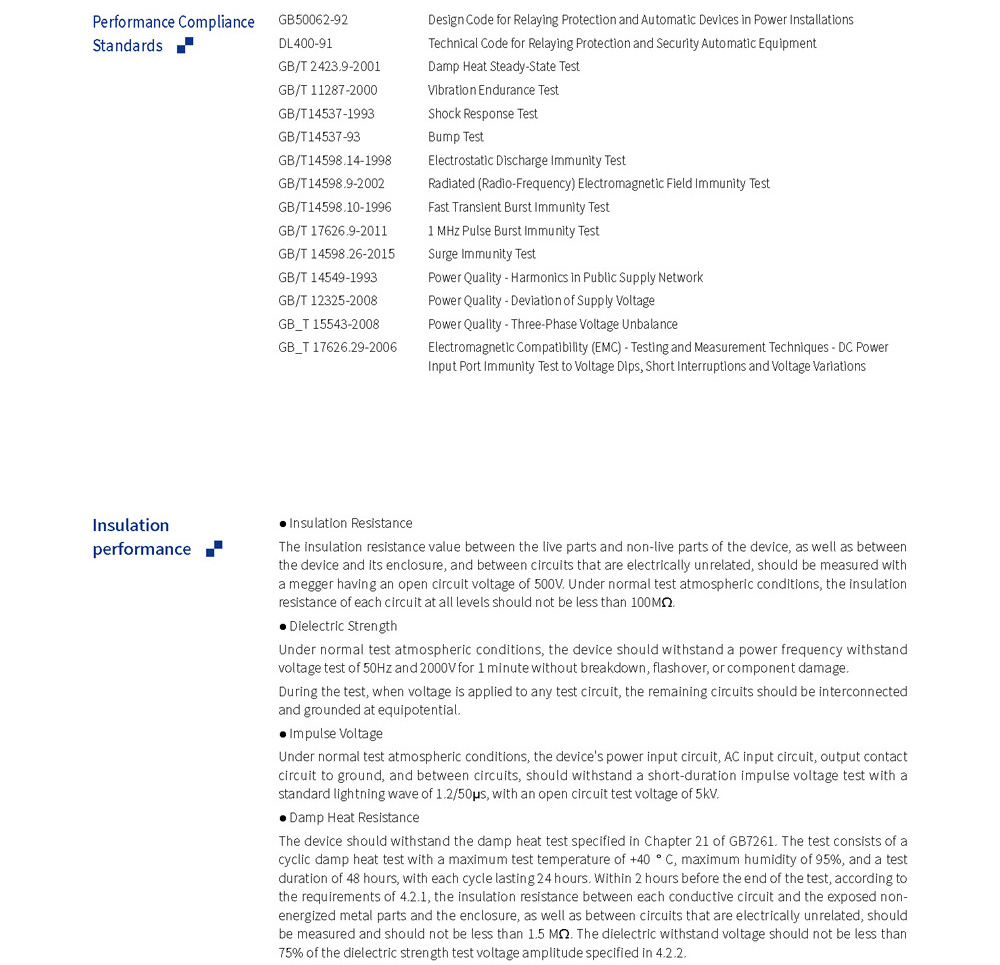
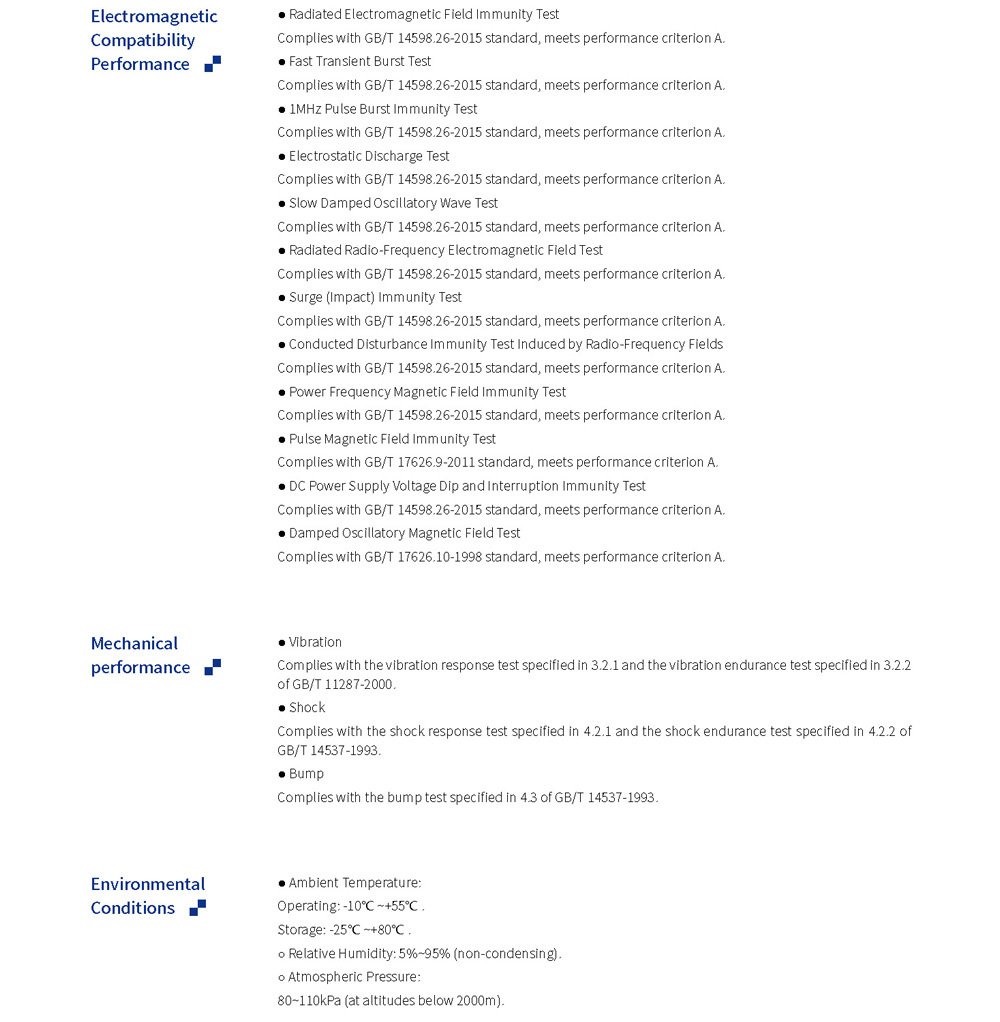
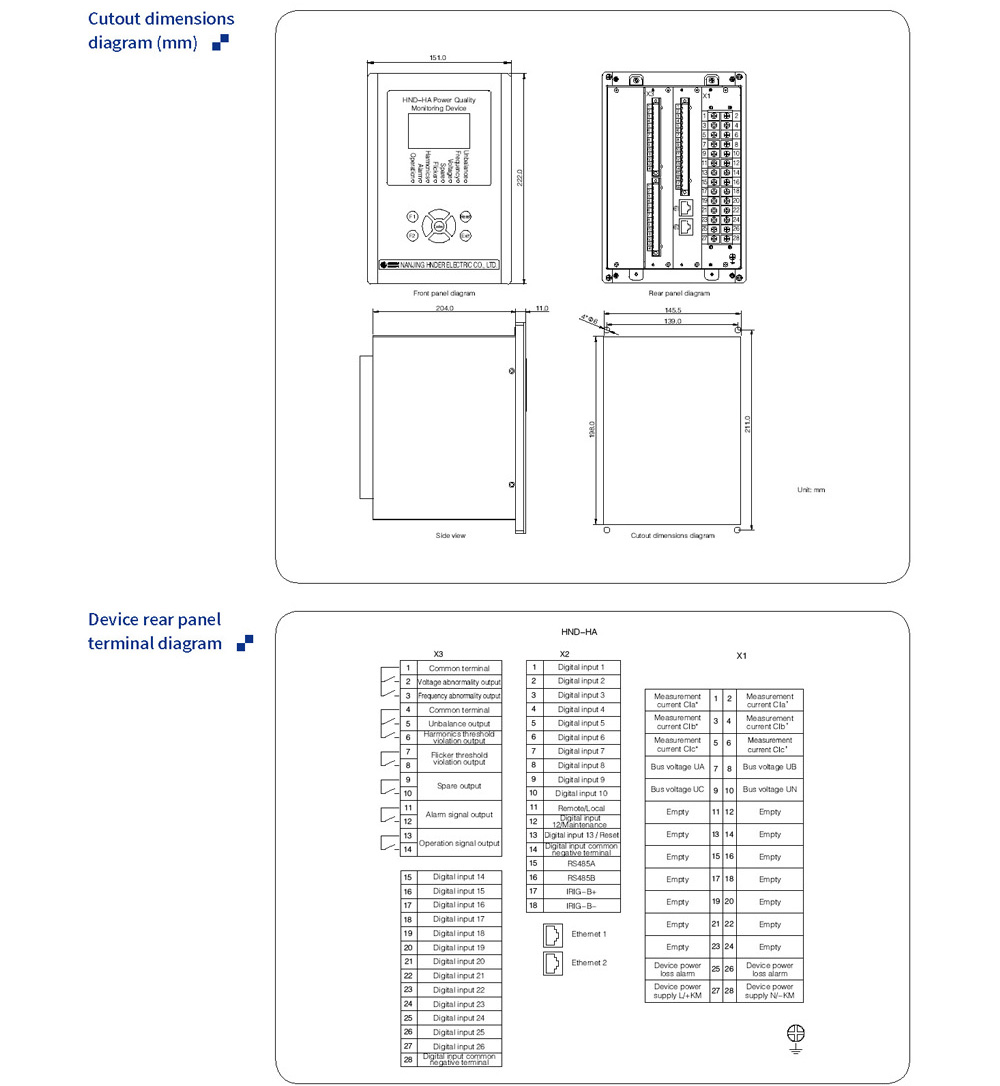
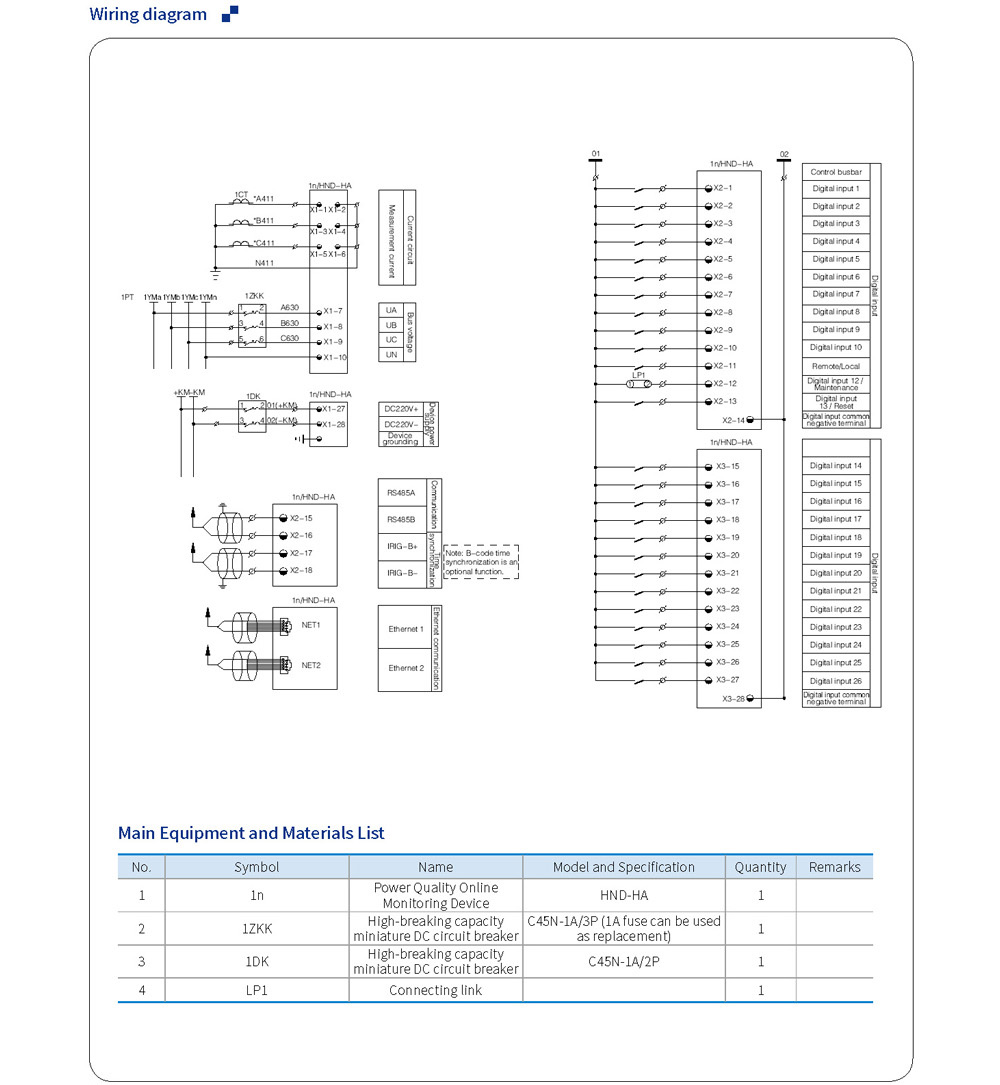
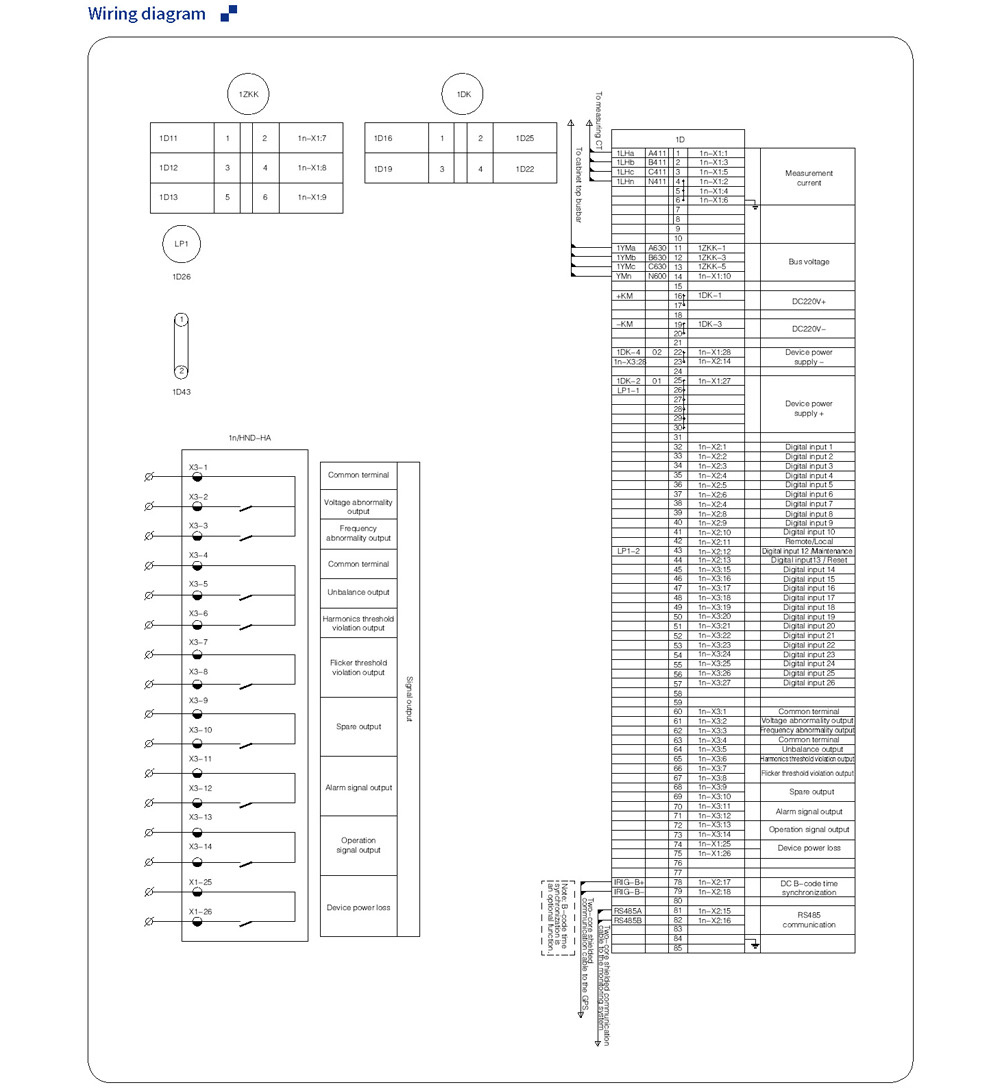
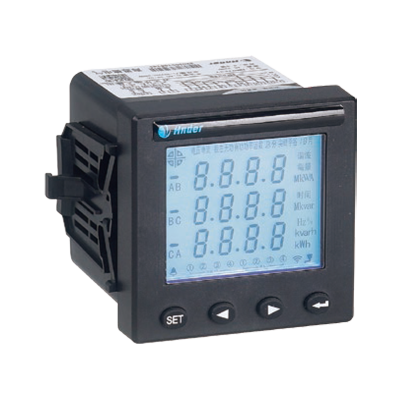
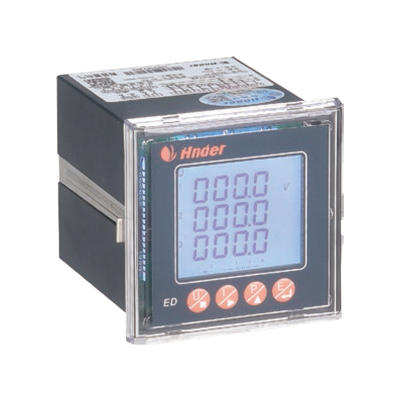
HND-HA Power quality online detection device
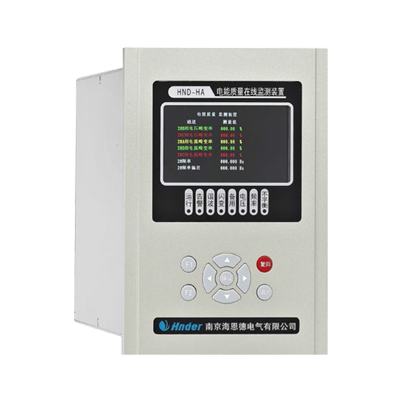
HND-HA Power quality online detection device